Help Remove Mosquito Breeding Grounds on Bonaire.
On Bonaire, the rainy season lasts from October to January. The risk of dengue, Zika, and chikungunya increases during the rainy season. Bonaire experienced two dengue outbreaks in 2024 and 2025. More than 900 people became ill during those periods. Since last September, the number of dengue cases has been low again.
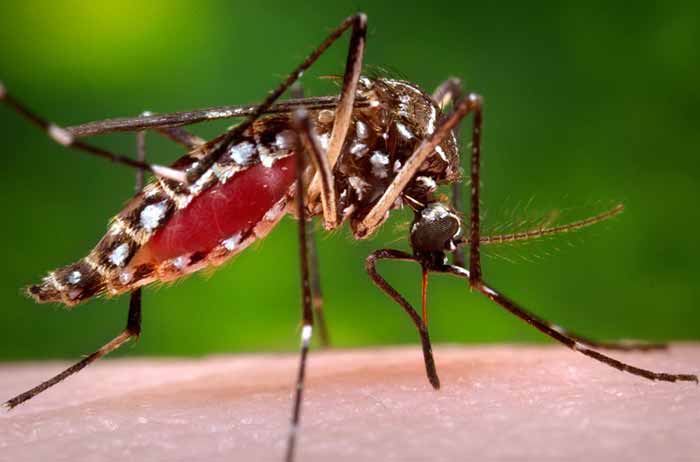
It is especially important to remove mosquito breeding grounds during the rainy season, which can transmit these diseases. The mosquito that spreads these diseases, the Aedes aegypti, lays its eggs in stagnant rainwater. The mosquito is most active early in the morning or late in the afternoon.
Remove uncovered objects containing rainwater from the garden.
The Aedes aegypti mosquito lays its eggs in uncovered objects containing rainwater, such as car tires, plastic containers, buckets, bottles, and saucers under planters. Of all people with dengue fever visited by the Municipal Health Service’s (GGD) vector control team in 2025, half had buckets containing Aedes mosquito larvae. Aedes larvae were also regularly found in water troughs and car tires.
- Remove all objects in the garden that could collect rainwater or empty them daily.
- Cover rain barrels and water troughs tightly with a lid, cloth, or mosquito netting.
- Check your garden at least once a week for potential breeding grounds.
Protection against mosquito bites
- Use a spray or ointment containing DEET to keep mosquitoes away.
- Wear clothing that covers your body well.
- Use insect screens or sleep under a mosquito net at home.
Chikungunya in Cuba and Barbados
Bonaire last experienced an outbreak of chikungunya in 2015. In 2025, for the first time in a long time, cases of chikungunya were reported in Cuba and Barbados. Outbreaks of chikungunya have also been reported in Asia and Europe this year. The Municipal Health Service (GGD) Bonaire is therefore extra vigilant. The GGD advises travelers to islands or countries with chikungunya, dengue, or Zika to take extra precautions against mosquito bites.
More tips and advice
For advice on treating rain barrels or rainwater tanks, call GGD Bonaire at 715-5324. More tips and frequently asked questions about dengue, Zika, and chikungunya can be found at www.bonairegov.com/muggen.