
DCNA Launches First Regional Program for Nature Conservation & Restoration.
Nature in the Dutch Caribbean is under pressure. Coral reefs are shrinking, forests are struggling to recover, and coastal areas are offering less protection against storms. Yet across the islands, people and organizations are actively working to restore the environment – planting trees, improving water quality, and rehabilitating reefs.
What has been missing, until now, is a regional approach. Many projects operate independently, making it harder to share knowledge and coordinate large-scale restoration. The Dutch Caribbean Nature Alliance (DCNA) aims to change that with its new Key Habitats Program.
Key Habitats Program
Designed for the long-term, the program combines local experience with regional coordination. It is the first initiative to unite the Dutch Caribbean islands under a regional approach to nature conservation and restoration
The program focuses on five ecosystems that are essential for both people and nature: coral reefs, seagrass beds, mangroves, tropical dry forests and tropical wet forests.
The numbers tell a clear story
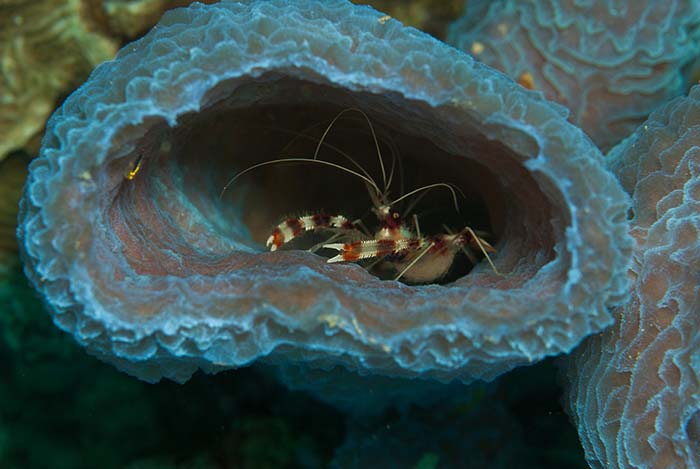
The state of nature in the Dutch Caribbean is striking. On average, only 8% of coral reefs in the Dutch Caribbean are still made up of living coral. While many coral species are still present (about 40 per island), the reefs themselves are becoming flatter and weaker, offering less protection from storms and supporting fewer species.
Seagrass, mangroves and forests are still functioning, but they are under constant pressure and shrinking. On land, free-roaming grazers make it hard for forests to grow back and almost all land areas on all six islands are affected by the loss of plants, trees and shrubs due to overgrazing.
Collaboration
These challenges show why a regional approach is so urgent. The Key Habitats Program is built around the idea that local action works best when it is part of a bigger picture. Instead of replacing existing projects, the program connects them and helps them go further. It supports work such as scaling-up forest and mangrove restoration, reducing wastewater impacts and reducing invasive alien species and diseases impacts.
First call for proposals
From March 3, 2026, DCNA has opened its first Call for Proposals under the Key Habitats Program. Local organizations are invited to submit projects that protect or restore one or multiple key habitats. This call is a unique opportunity to collaborate across islands and contribute to a coordinated, regional effort. More information and application guidelines are available at dcnanature.org/keyhabitatsprogram.
DCNA thanks its partners and funders, including WWF, Postcode Lotterij and Bloomberg Philanthropies, whose support has been essential in establishing the program and enabling its long-term regional approach.